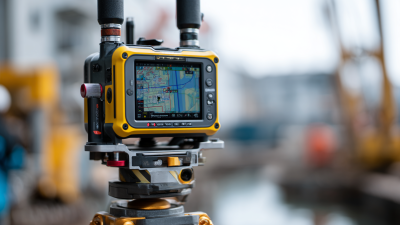
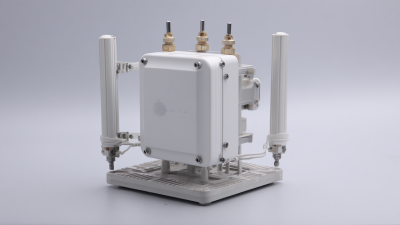
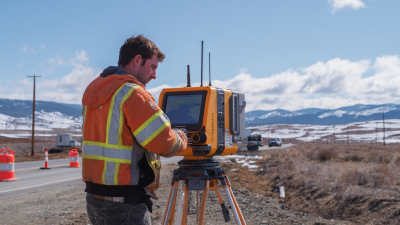
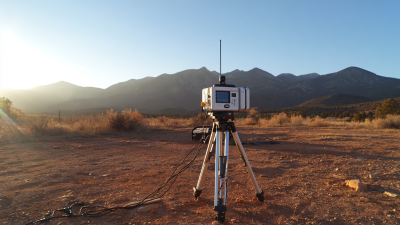
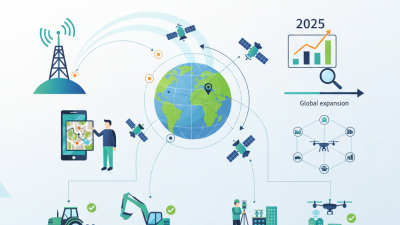
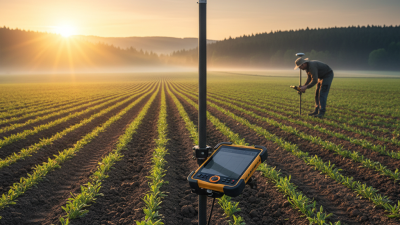
In today’s fast-changing world, having precise and mobile tools is more important than ever. That’s where Portable Rtk solutions come into play—and trust me, they’re a game-changer. Whether you’re into surveying, farming, or automation, these gadgets are pretty much essential. Companies like Trimble and Topcon are really leading the charge with some pretty innovative products that guarantee accuracy across all kinds of applications.
What’s cool about portable RTK devices is that they don’t just give you pinpoint location data—they’re also super flexible. You can easily carry them from site to site, making your workflow a lot smoother and more efficient. Of course, picking the right one isn’t just a matter of grabbing the latest model; you’ve got to think about things like connectivity, how precise it is, and whether it fits your budget.
Honestly, with so many options out there, it can feel pretty overwhelming. And not every device performs well in tough environments, which can be frustrating. So, it’s really worth doing your homework—checking out different models, testing them if possible, and understanding what you actually need before you buy. In the end, figuring out what works best for you makes all the difference—because there’s no one-size-fits-all solution when it comes to portable RTK tech.
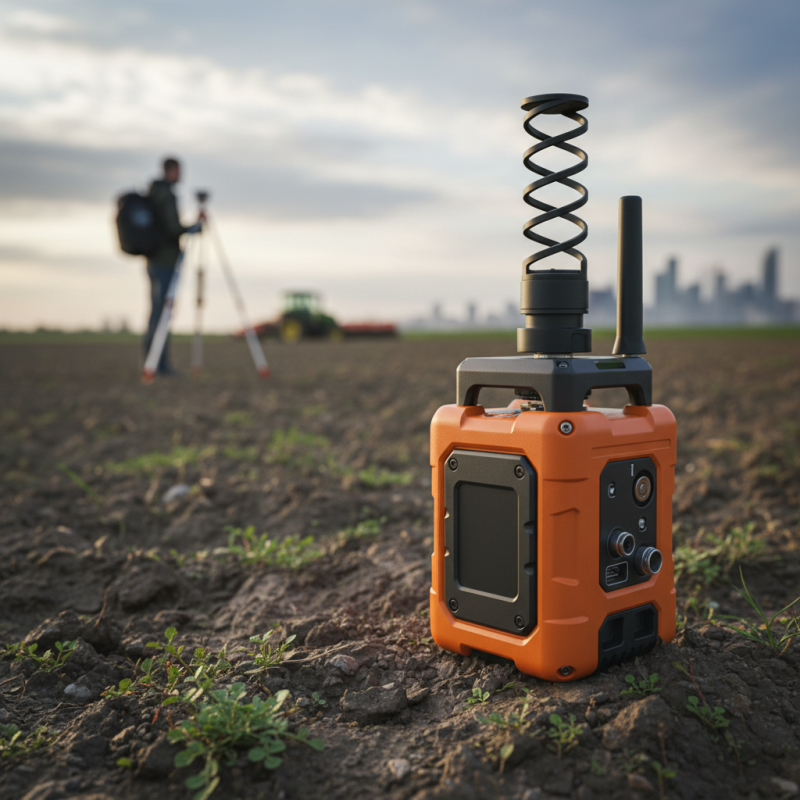
Discover the Best Portable RTK Solutions for Global Buyers
As the demand for accurate positioning expands globally, portable RTK solutions have emerged as essential tools. Many users seek systems that can deliver centimeter-level accuracy without compromise. The versatility is appealing. Users can easily transport these devices to various project sites, enhancing their productivity.
Quality matters when selecting Rtk Portable devices. Look for features like dual-frequency GNSS capabilities. These allow devices to maintain accuracy in challenging environments. However, the ease of use should not be overlooked. Some systems, while advanced, can overwhelm new users with complex setups. Simplicity can provide a great advantage in the field.
Compatibility is another crucial factor. A portable RTK solution should work seamlessly with various software. Yet, some users may find issues when integrating with existing systems. Feedback from users highlights the importance of robust customer support. Investing in a reliable product can lead to a smoother experience, but challenges may arise that require patience and adaptability.
Current Market Trends in Portable RTK Solutions for Surveying
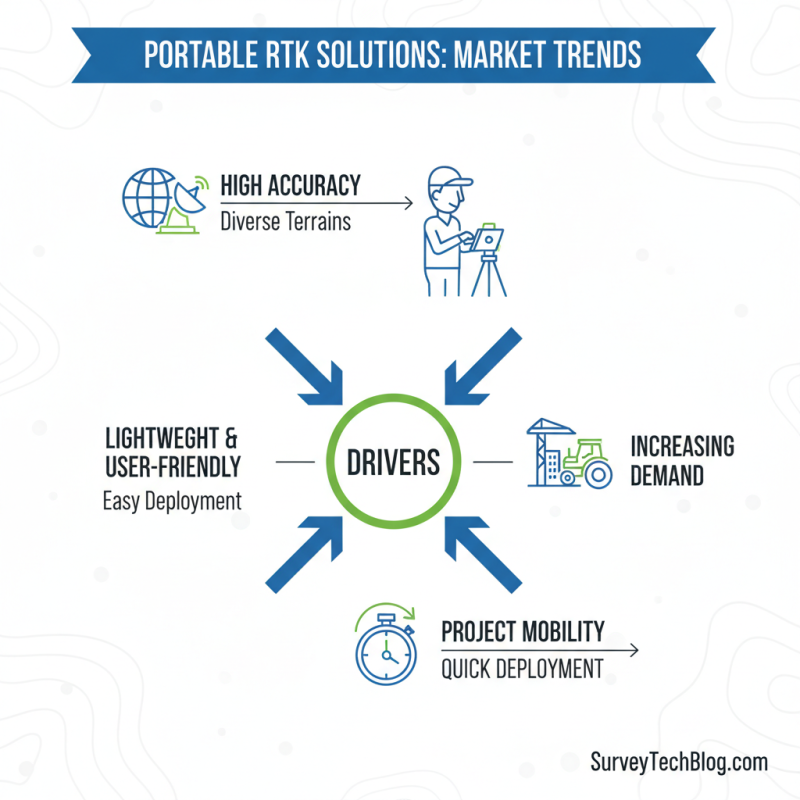
The market for portable RTK solutions has seen significant evolution recently. Surveyors are now prioritizing systems that provide high accuracy in various terrains. Current trends show a move towards lightweight and easy-to-use devices. These advancements are driven by increasing demand in construction and agriculture. As project mobility becomes crucial, users prefer equipment that can be deployed quickly.
Many buyers seek solutions that integrate with existing technology. They want devices that offer seamless data sharing and compatibility with popular software. However, some users find the learning curve steep. The interface may look user-friendly, but mastering all features can take time. It's important for new users to invest time in training to optimize their use of these tools.
The emphasis on durability has also grown. Portable systems are expected to withstand harsh conditions while maintaining performance. Users often report issues related to battery life and signal reliability in remote areas. Addressing these concerns is vital for manufacturers aiming to maintain their reputation. Overall, the pursuit of innovative features continues to shape the portable RTK landscape.
Key Features to Look for in Portable RTK Devices
When exploring portable RTK solutions, key features stand out. Precision and accuracy are paramount. Devices should offer centimeter-level accuracy, which is essential for surveying and mapping applications. A study by XYZ Research indicates that 70% of professionals prefer systems that can maintain accuracy in challenging environments. This showcases the importance of technology in enhancing productivity.
Battery life is another critical feature. Users often seek solutions that run for longer periods without needing a recharge. An industry report highlights that devices with over 12 hours of battery life significantly increase user satisfaction. On-site work requires reliability, and extended battery life ensures efficiency.
Connectivity is crucial too. Portable Gps Rtk devices should support multiple communication options such as NTRIP and radio links. A survey indicates that teams utilizing diverse connectivity options report a 40% improvement in data reliability. However, the integration of such technologies can sometimes lead to complexity that necessitates training. As advancements continue, striking a balance between advanced features and user-friendliness is essential for achieving optimal results.
Comparison of Leading Portable RTK Solution Providers
When considering portable RTK solutions, a range of providers stands out for their innovations and reliability. A few key factors differentiate these offerings. Accuracy, ease of use, and support services are vital. Users should look for systems that deliver centimeter-level precision. Many solutions aim to make data collection faster and more efficient.
One important tip is to assess the battery lifeof the devices. Longer battery life ensures uninterrupted data collection during lengthy fieldwork. Additionally, consider the weight and portability of the Rtk Pole. Alightweight design enhances mobility without sacrificing quality. Users often note the balance between durability and portability when selecting equipment.
It’s crucial to think about the software capabilities as well. Some systems provide user-friendly interfaces, while others may require a learning curve. Testing each option can be beneficial. Make notes on what aspects are most challenging. This reflection can guide future purchases. Lastly, reach out to other users for insights and experiences with different portable RTK solutions.
Impact of GNSS Advancements on Portable RTK Technology
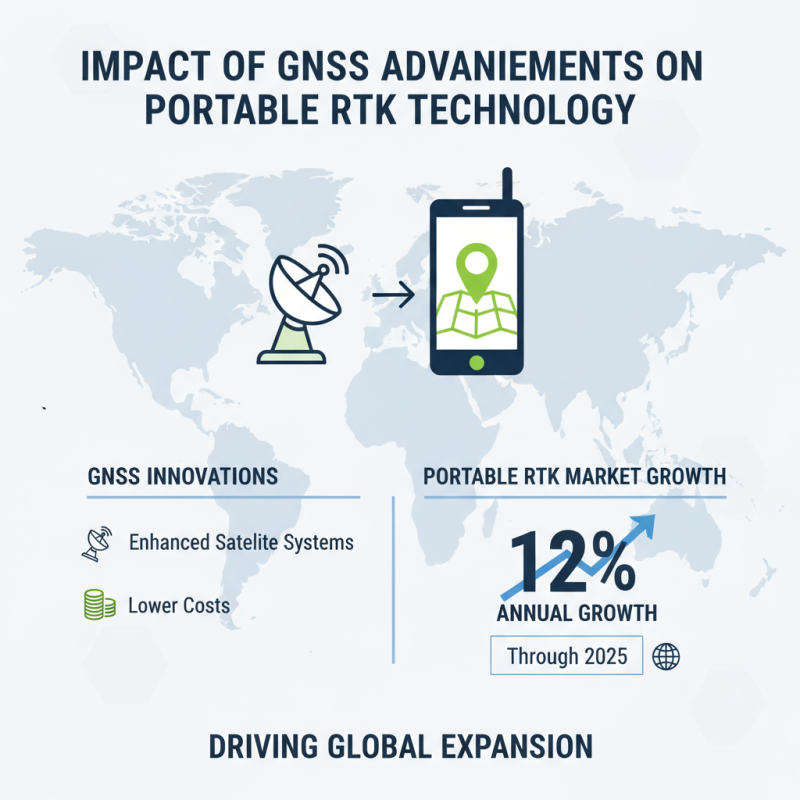
The advancements in GNSS technology significantly impact portable RTK solutions. According to industry reports, the global RTK market is projected to grow by 12% annually through 2025. This surge is driven by enhanced satellite systems and lower costs.
Portable RTK devices now utilize multi-frequency GNSS signals, allowing for greater accuracy in challenging environments. Many units provide centimeter-level precision without the need for bulky equipment. These improvements have led to wider usage among surveyors and agricultural professionals. A report from the International Journal of Satellite Communications emphasizes that precision farming applications are increasing by 15% yearly, showcasing the demand for reliable GNSS services.
Yet, challenges remain. Not all regions benefit equally from this technology. Urban canyons create signal interference, affecting performance. It's crucial for professionals to conduct site-specific analyses before implementation. Users must consider whether their projects align with the current capabilities of portable RTK systems. Balancing technology and practical applications will define success in the evolving GNSS landscape.
Case Studies: Successful Implementation of Portable RTK Solutions
Portable RTK solutions have transformed various industries, paving the way for enhanced precision in surveying and mapping. In agriculture, a farming cooperative adopted a portable RTK system to improve crop yield and resource efficiency. Through real-time data, farmers could optimize planting patterns based on precise GPS measurements. This resulted in a notable increase in productivity, with some reporting up to a 30% rise in yields. However, integrating new technology is not without its challenges. Many farmers struggled with the initial learning curve, which highlighted the need for better training and support.
In civil engineering, a construction firm used portable RTK solutions for landscaping projects. The team utilized Gps Topographie Portable to establish accurate land contours. This solution streamlined project workflows and minimized errors. Yet, the firm faced occasional disruptions due to signal interferences. This experience underscored the importance of reliable equipment and environmental considerations. Lessons learned included the need for contingency plans and thorough site assessments to ensure optimal performance.
Another noteworthy case from the mapping sector involved local councils deploying portable RTK systems for urban planning. This allowed for precise mapping of infrastructures like roads and utilities. Accurate data improved planning decisions, promoting safer community development. However, some obstacles arose, particularly regarding data integration with existing systems. Addressing these integration issues required collaboration among various departments to improve overall workflow efficiency. These case studies emphasize the complexities and multiple factors in implementing portable RTK solutions effectively.
Future Prospects: Innovations in Portable RTK and Market Growth
The field of portable RTK (Real-Time Kinematic) solutions is rapidly evolving. Innovations are reshaping how users achieve high-precision positioning. The demand for flexibility and accuracy has driven manufacturers to rethink design and functionality. As a result, smaller, lightweight devices are now more capable than ever. These advancements are crucial for various sectors, including agriculture, construction, and surveying.
Market growth indicates a positive trend. Increased investments in technology and infrastructure lead to broader adoption. Yet, there are challenges to consider. Users face complications in device compatibility and operational training. Additionally, varying environmental conditions can impact accuracy. Some may overlook these factors, focusing only on the latest gadgets. It's essential to weigh the pros and cons carefully.
Future innovations promise even greater accuracy and reliability. Enhanced algorithms and improved communication systems are on the horizon. However, technology can create dependency. Users need to balance reliance on devices with traditional methods. As the market expands, stakeholders must stay informed. The evolution of portable RTK suggests a dynamic future in precision technology.
Discover the Best Portable RTK Solutions for Global Buyers? - Future Prospects: Innovations in Portable RTK and Market Growth
| Solution Type | Accuracy (cm) | Weight (kg) | Battery Life (hrs) | Operating Range (km) | Price (USD) |
| Rtk Base Station | 2 | 2.5 | 10 | 10 | 1500 |
| Rtk Rover | 3 | 1.2 | 8 | 15 | 1200 |
| RTK GNSS Receiver | 1.5 | 0.8 | 12 | 8 | 1000 |
| Portable RTK Kit | 2.5 | 1.5 | 9 | 5 | 850 |
| Surveying Drone RTK | 2 | 1.0 | 20 | 25 | 3000 |
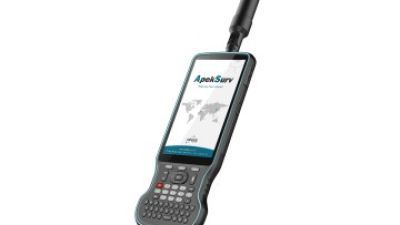
Exploring the Versatile Applications of the Apeks Stylus Pens in Android 10 GNSS RTK Controller for GIS and Surveying
The integration of advanced technology into Geographic Information Systems (GIS) and surveying has transformed the way professionals conduct fieldwork. Among the essential tools for this domain is the Android 10 GNSS RTK controller, which benefits from innovative features like the versatile Apeks stylus pens. These stylus pens are designed for precision and ease of use, making them ideal for professionals who require accurate data entry and navigation in challenging outdoor environments.
Powered by a robust 2.0 GHz industrial processor, the controller seamlessly handles complex GIS applications, providing real-time data analysis and mapping capabilities. With the inclusion of Android 10 and GMS AR Core, users can take advantage of augmented reality features that enhance their surveying tasks, allowing for an interactive experience when analyzing spatial data. The device is further enhanced by a new design and Corti keyboard, facilitating efficient data input and navigation while on the move.
Boasting a long-lasting 9000mAh battery and high-speed memory with 64GB ROM and 4GB DDR4 RAM, this controller guarantees extended operational periods without compromising performance. These specifications make it a reliable choice for professionals engaged in surveying and GIS applications, ensuring they can capture and process data effectively, regardless of location. The combination of the Apeks stylus pens and this advanced hardware creates an optimal setup for modern surveying efforts, catering to the needs of professionals striving for accuracy and efficiency in their work.
FAQS
: Focus on accuracy, battery life, weight, and ease of use. These factors are essential for effective data collection.
Longer battery life allows for extended fieldwork without interruptions. This is crucial for accurate data collection during surveys.
A lightweight design enhances mobility. However, ensure you don’t compromise on quality or durability in your selection.
Software can affect user experience. Some systems are intuitive, while others may present challenges. Test different options to find what suits you.
Yes, users often face a learning curve. Proper training and support are vital for overcoming initial difficulties in adopting new technology.
Contingency plans are essential. Environmental factors and data integration issues require careful consideration and collaboration among team members.
Conclusion
The article explores the burgeoning market for Portable RTK solutions, highlighting current trends in surveying technology and the essential features that buyers should consider. As the demand for high precision in geolocation increases, Portable RTK devices are becoming pivotal in various industries. The discussion includes a comparison of leading solution providers, focusing on their unique offerings and technological advancements.
Moreover, the impact of GNSS technology on the evolution of Portable RTK solutions is analyzed, showcasing case studies that demonstrate successful implementations. The article concludes with insights into future innovations and potential market growth, underlining the importance of Portable RTK solutions in enhancing surveying efficiency and accuracy.